

Sheryl Grant
Global Enablement Lead
In many organisations, HR documents are still treated as the final step in a process. The decision is made, the approval is completed, the change is confirmed, and the document is then created to reflect what has already happened.
On the surface, this feels logical. Documents are often seen as records: evidence of an agreed outcome, a communication to the employee, or a formal confirmation of a change.
But in practice, this can create a gap between how HR decisions are made and how those decisions are documented. When documentation sits too far downstream, it can fall behind the process it is meant to support.
The Problem with After-the-Fact Documents
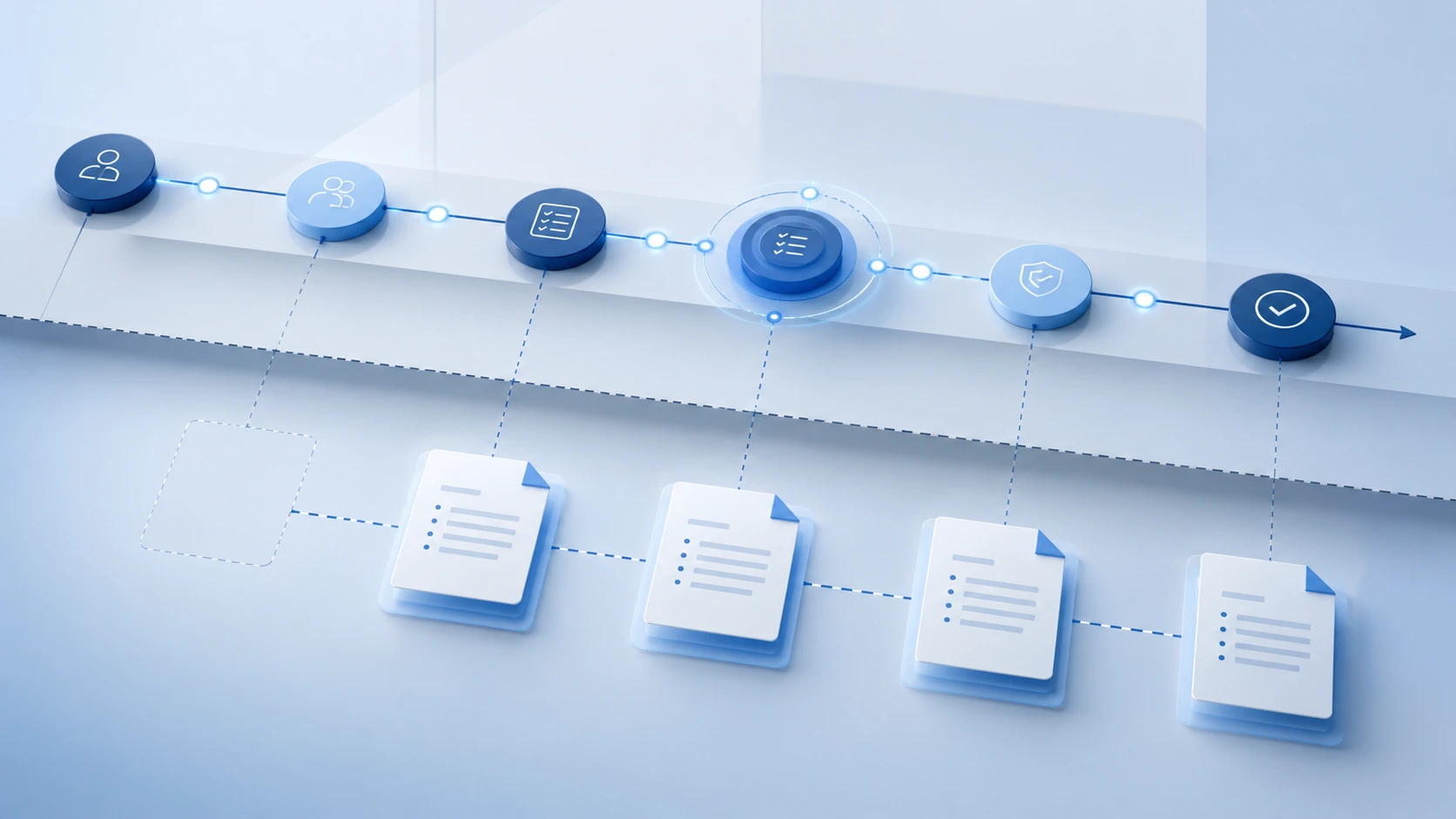
HR processes are rarely simple or immediate.
They often involve multiple stakeholders, staged approvals, future-dated changes, conditional outcomes, and different levels of review. A contract variation, pay change, promotion, transfer, or policy-related letter may need to move through several steps before it is final.
Yet the document is often generated only once the process is complete.
That can create a lag. The workflow may be active, the decision may still be evolving, and stakeholders may still be reviewing the details, but the document itself is not yet part of that process.
This is where misalignment can begin.
When Documents Fall Behind the Process
If documents are created only after approval, they may not reflect what is currently being reviewed.
Approvers may be asked to make decisions based on data fields, workflow comments, or summary information, without seeing the final document that will be issued to the employee.
That matters because the document is often where the decision becomes clear. It brings together the wording, the employee context, the effective date, the conditions, and the final communication.
Without that view, stakeholders may not have the full picture when they are asked to approve.
The result can be additional questions, extra review cycles, and avoidable delays.
Rework Becomes Part of the Process
Timing also creates a practical challenge for HR teams.
If a document is generated too early, it may become inaccurate before the process is complete. If it is generated too late, it can delay the final outcome.
So HR teams often end up managing the gap manually.
They regenerate documents after approvals, update wording once final decisions are made, reconcile document content against approved data, and manage multiple versions of the same output.
None of this is unusual. In many HR teams, it is simply part of getting the work done.
But over time, this creates unnecessary effort and increases the likelihood of inconsistency.
Rethinking the Role of HR Documents
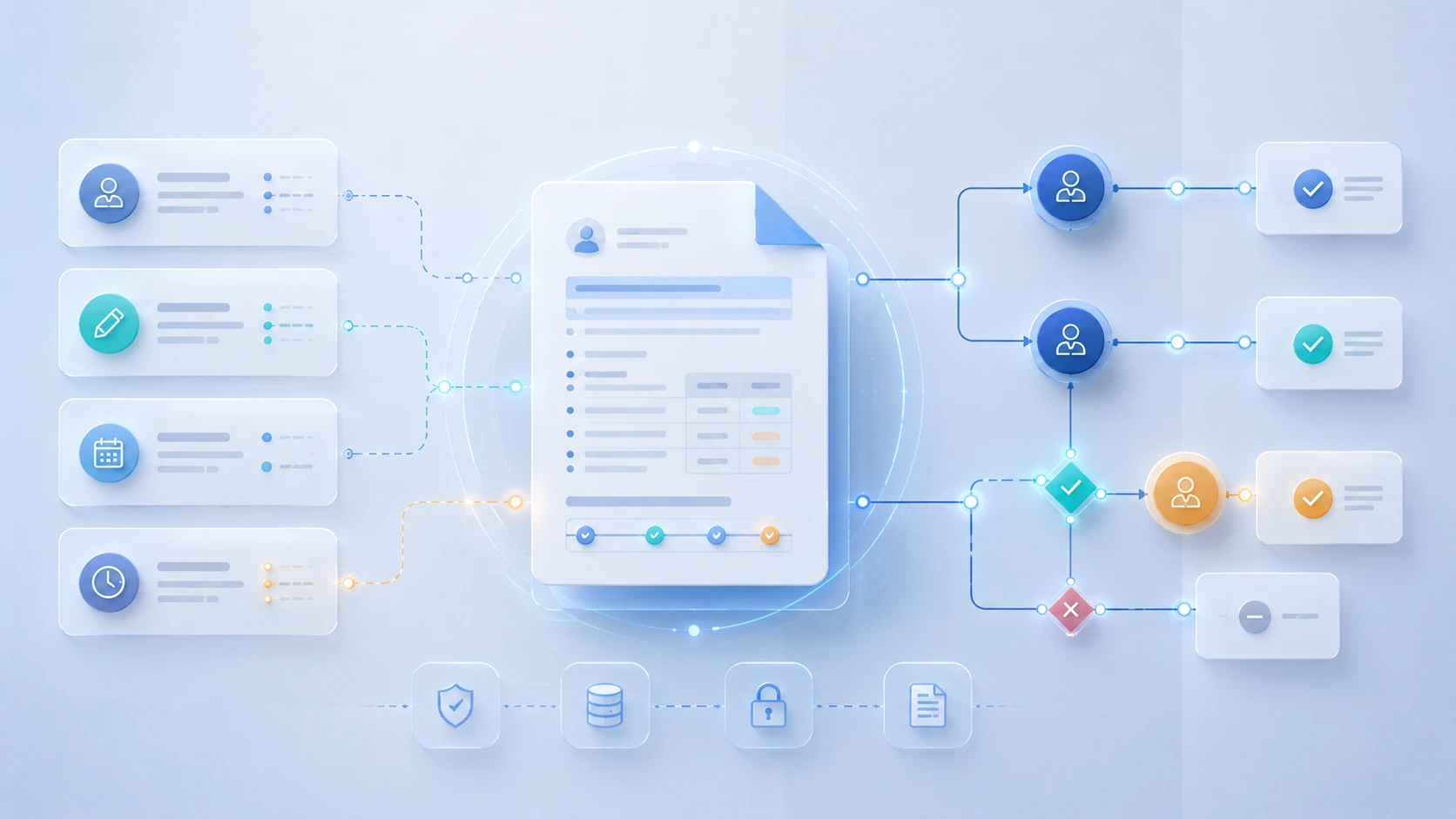
A more connected approach is to treat HR documents as part of the decision process, not just the record created at the end.
This does not mean every document needs to be final from the start. It means the document should be able to move with the process as information changes, approvals progress, and decisions become clearer.
In this model, documentation is not disconnected from workflow. It is aligned with it.
The document can reflect proposed changes, future-dated updates, approval status, and the current view of the employee’s situation. As the decision evolves, the document remains connected to the same process.
Documents That Support Decisions
When documents are visible during the workflow, stakeholders can review the actual output before it is issued.
That changes the quality of the review. HR teams can check whether the wording reflects the intended decision. Approvers can assess the full context. Changes can be made before the process is finalised, rather than after the document has already been produced.
This shifts the role of the document from a static record to a practical decision-support tool.
Reducing Rework and Improving Consistency
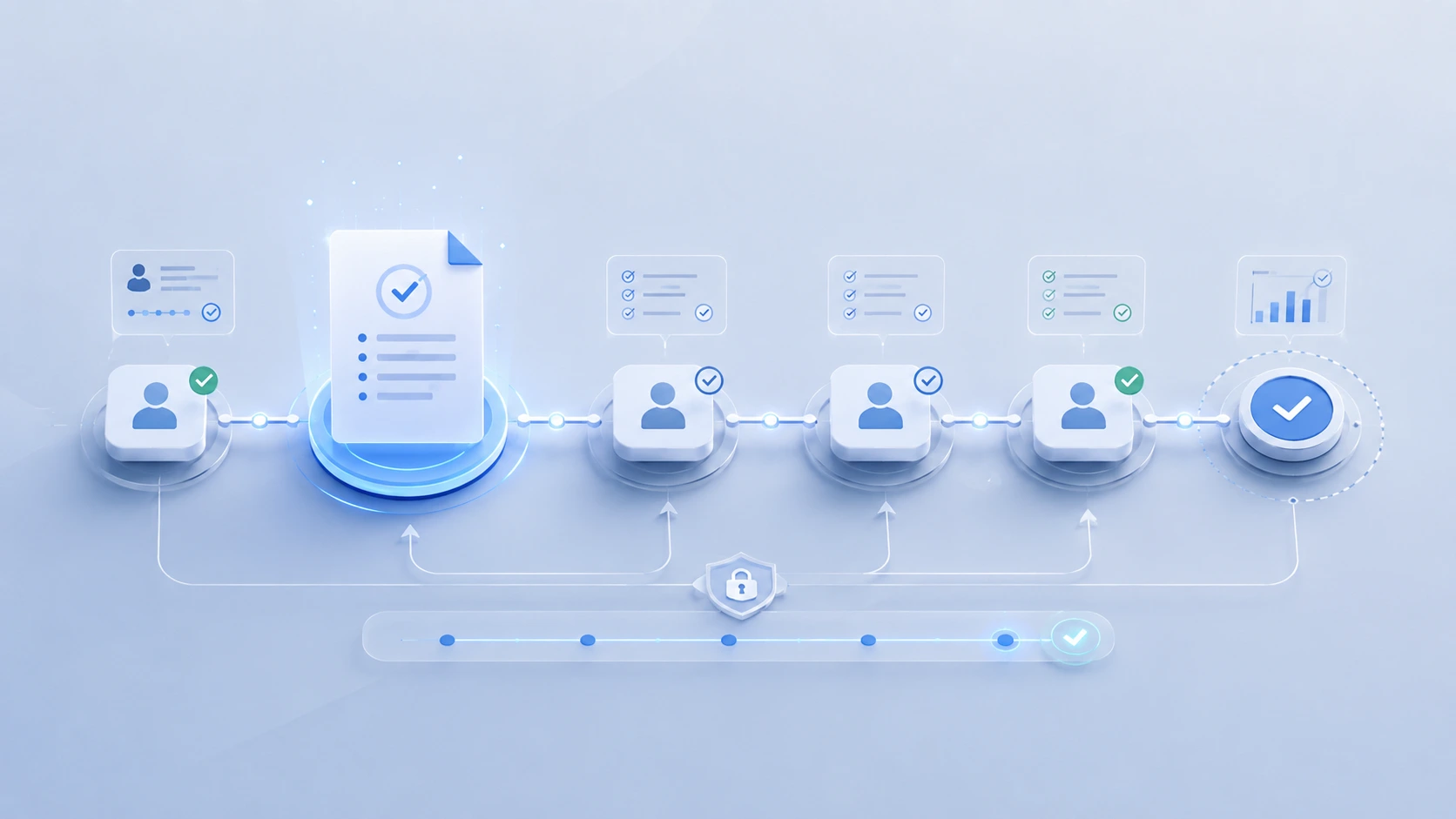
This is where the conversation moves from document generation as an output to document generation as part of workflow design.
With Strato Document Generation for SAP SuccessFactors, organisations can generate an employee document at a defined step in the SuccessFactors workflow, once the relevant data has been reviewed or approved. The document can then move through the appropriate review path, such as HR review, line manager review, or employee acceptance, before the workflow is finalised in the HR system.
This means the document is created within the flow of work, using the data and process context already managed in SuccessFactors.
For HR teams, this can help reduce the need to manually recreate documents, update duplicate versions, or reconcile final wording against approved workflow data.
It can also support greater consistency, particularly where organisations are managing high volumes of employee documents, multiple templates, different approval paths, or regional variations.
The practical benefit is simple: the document becomes part of the controlled workflow, rather than a separate activity sitting outside it.
Why This Matters for HR
HR documents carry more weight than they are often given credit for.
They are employee communications. They are legal and compliance records. They are evidence of decisions made. They help translate internal process into clear, formal outcomes.
When those documents are disconnected from the decision process, risks can increase. Approved data and documented outcomes may not align. Final documents may be delayed. Stakeholders may approve changes without seeing the complete context.
For HR teams, this is not just an administrative issue. It affects confidence, consistency, and the employee experience.
From Static Records to Dynamic Documents
The shift is subtle, but important.
Instead of creating documents only after decisions have been made, organisations can move toward maintaining documents throughout the decision process.
Documents become less about looking back at what was approved, and more about helping the organisation review, approve, and communicate what is changing.
Final Thought
HR documents should not lag behind decisions. They should move with them.
When documents only reflect what has already been approved, they can become disconnected from the process they are meant to support.
But when they reflect what is being decided, they become clearer, more accurate, and more useful at every stage.
And that is where documents start to add value beyond the final record.